
Are AI Website Builders Actually Good for SEO in 2026?
What real-world testing across 20+ tools revealed about structure, speed, and control

“SEO-friendly” is now a checkbox every AI website builder proudly claims.
After building the same IWCON 2025 website across 20+ tools, I’ve learned this the hard way: Most AI website builders are SEO-safe, but very few are SEO-strong.
That distinction matters more in 2026 than it ever did.
What “SEO-friendly” really means in 2026
In practice, SEO today is more than stuffing keywords or tweaking plugins. It’s about:
Clean structure
Mobile performance
Crawlable layouts
Editorial clarity
And the ability to fix things later
AI website builders do some of this surprisingly well. But others fall flat on their faces.
Let me show you what that looked like in real testing.
Durable: strong structure, shallow SEO control
Durable was one of the fastest tools I tested. From prompt to a live conference website took under ten minutes, and structurally, it did a lot right.
The page hierarchy made sense.
Sections flowed logically.
There was no heading chaos or broken mobile layout.
From a crawler’s point of view, this was a clean page.
Where Durable started to show limits was image-level SEO and long-term flexibility.
When I regenerated images for the team section, it kept serving generic stock photos. I had to manually upload headshots and rewrite bios to restore credibility. Alt text control exists, but it’s not something you’re encouraged to think about deeply.

SEO takeaway:
Durable prevents bad SEO decisions by default, but it doesn’t give you many levers to pull once you want to go deeper.
Readdy: SEO-friendly by design, not just automation
Readdy surprised me in a good way.
Instead of immediately generating a site, it first showed me a section blueprint — Hero, Speakers, Schedule, Registration, FAQs — and asked me to approve it.
Once approved, Readdy generated realistic copy, proper headings, working forms, and SEO metadata. Then, it let me edit everything manually before publishing.
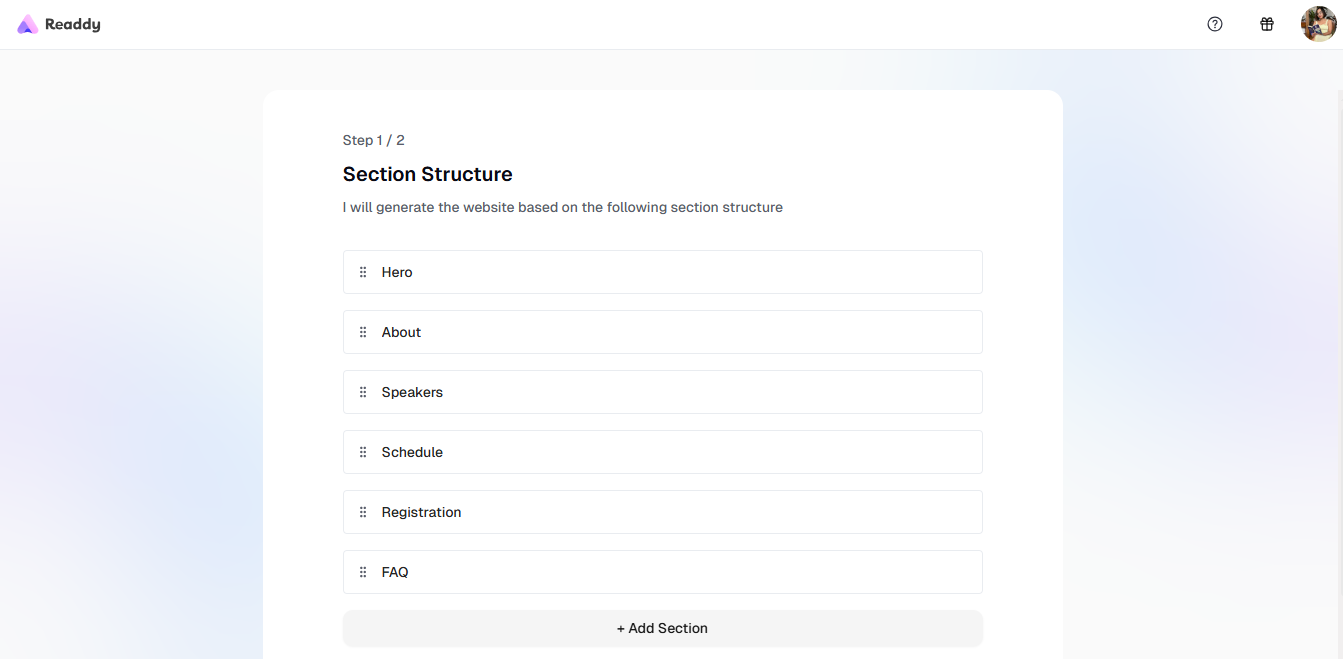
This combination of AI defaults + human override is where SEO friendliness actually lives in 2026.
SEO takeaway:
Readdy doesn’t just generate a page; it encourages structural clarity. That makes it harder to accidentally publish something messy or confusing to search engines.
Mixo: fast enough that SEO becomes secondary
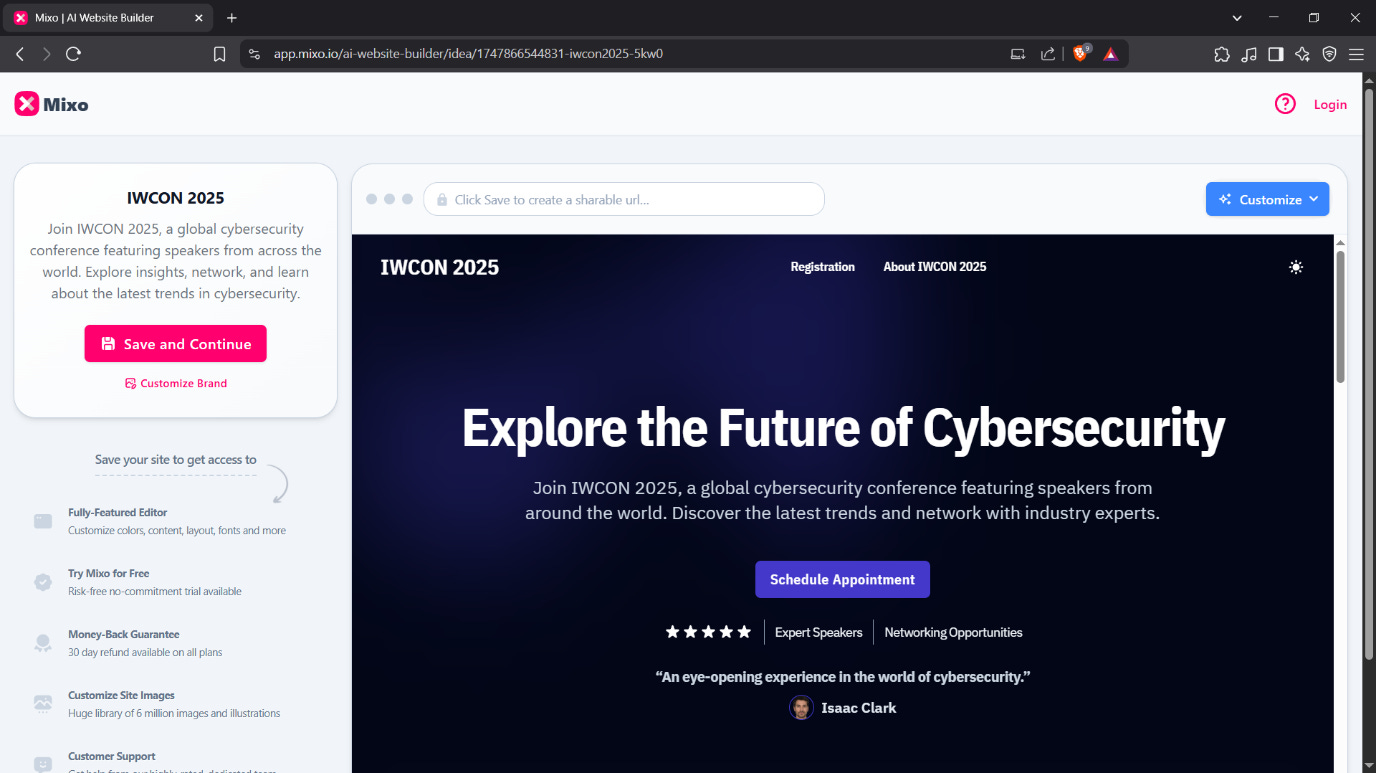
Mixo is brutally fast: I fed it a single prompt, and before I finished my coffee, the landing page was live.
For MVPs and one-page launches, this speed is unbeatable. But SEO isn’t Mixo’s primary concern, and it shows.
Customization is limited, and blog expansion isn’t really the goal. You get a clean, readable page, but not many knobs to turn if you want to optimize beyond the basics.
SEO takeaway:
Mixo is SEO-safe for simple pages, but it’s not built for long-term search growth. That’s a conscious tradeoff, not a flaw.
Are AI website builders good for SEO?
Here’s the honest answer after testing them side by side:
AI builders are good enough for launch-level SEO
They’re not replacements for SEO-first platforms like WordPress
Their biggest value is speed, not ranking mastery
In 2026, AI website builders are best understood as launch tools, not growth engines.
They help you get online without technical debt. It’s important to note they don’t magically make you rank.
The rule of thumb in AI website builders
If SEO is your primary growth channel, you’ll eventually outgrow most AI builders.
If SEO is important but not central, and speed matters, modern AI builders like Durable and Readdy can absolutely work, as long as you apply a human editorial pass.
That’s where the wins actually happen.
Want the full breakdown?
Everything here is based on the same IWCON test setup across 20+ tools.
If you want to see which builders handled structure, speed, and SEO controls best, I documented the full comparison here:
My hands-on AI website builder comparison.
Affiliate disclosure
Some of the links in this article are affiliate links. If you choose to purchase through them, I may earn a small commission at no extra cost to you.
That said, every review, test, and comparison in this piece is based on my own hands-on use of the tools discussed. I test these products with real writing examples, note both strengths and limitations, and include tools only if they add genuine value. Compensation never influences rankings, recommendations, or conclusions.
I believe transparency matters, especially when writing about AI tools, and I’ll always prioritize accuracy and honesty over affiliate incentives.